FPR Portrait
Waikava, 1876
H.M.S. Nymphe reached Waikava on 20 November 1876. An interactive long-form piece on the seventeen days that followed.
Research notes, legal analysis, and institutional publications of the Fiji Political Review.
FPR Portrait
H.M.S. Nymphe reached Waikava on 20 November 1876. An interactive long-form piece on the seventeen days that followed.
Analysis
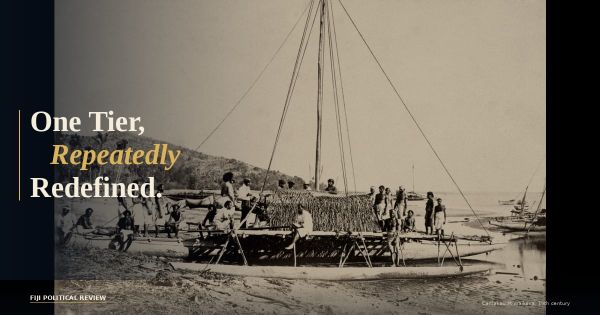
At Waikava in 1876, Sir Arthur Gordon added a Governor-chaired annual meeting to the vanua’s pre-existing chiefly architecture. 150 years later, the Bose Levu Vakaturaga Act 2026 and the Constitution Amendment Bill 2026 are adjusting the same tier. The lower tiers he inherited remain untouched.
CRC Watch
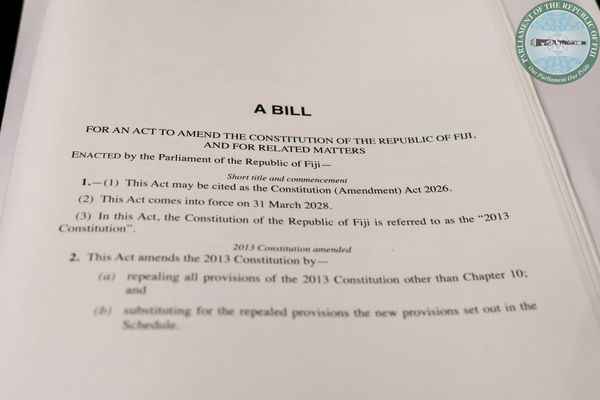
Bill No. 32's immunity clause gives a different end date from its own Explanatory Note. Read against the Constitution Review Commission's report, it also hands chiefly nominees a Senate majority, and may run into the Supreme Court's 2025 Advisory Opinion.
Analysis
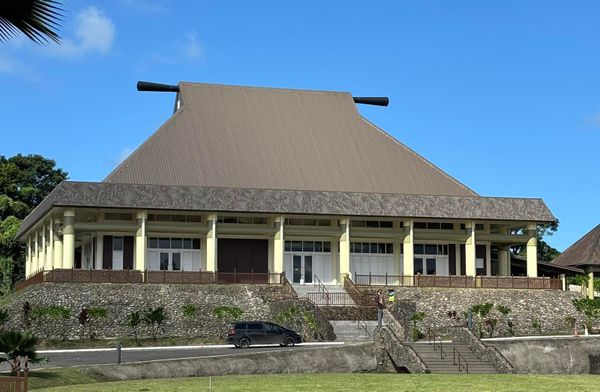
Rabuka sits in the reconstituted Great Council of Chiefs as Prime Minister. He also leads the People's Alliance. Regulation 6(d) doesn't touch him.
Analysis
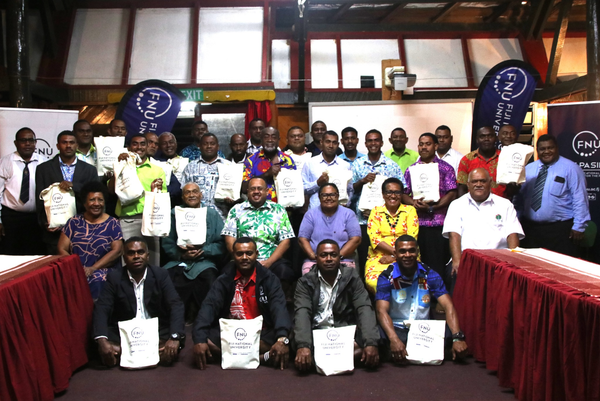
The GCC requires no formal education and no formal leadership record from the chiefs who sit on it. That is not an oversight. FPR examines what the law says and what the institution reveals by funding training it does not mandate.
Long Read
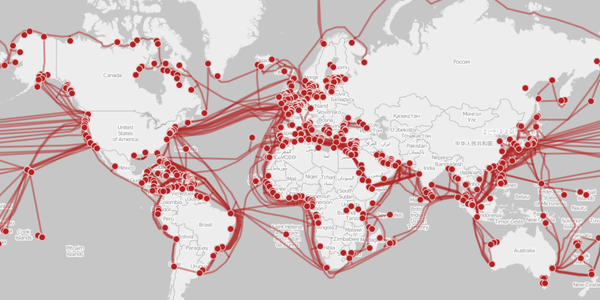
Australia's mandatory AI standards run 3,000 words without mentioning the Pacific. FPR names the structure behind that silence, digital subimperialism, and asks the only question that matters: can the Pacific do to data what it did to the sea?
Analysis
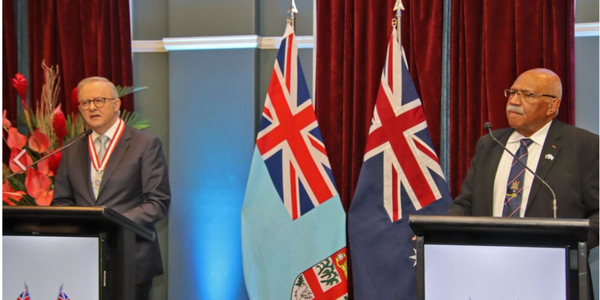
The Vuvale Union Treaty assessed against Fiji's Constitution. Five critical gaps. Parliamentary authority, judicial ouster, and defence sovereignty.
Research
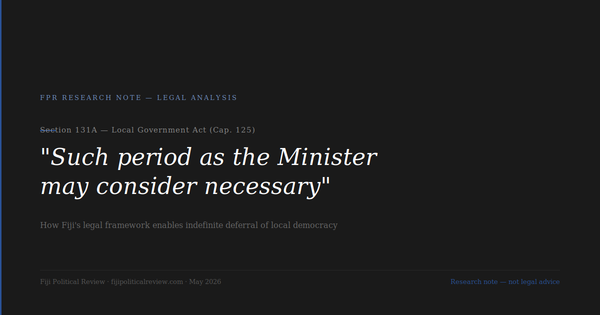
FPR's legal analysis of the instruments governing Fiji's local government election timeline. Finding: no instrument gives Parliament, the FEO, or civil society any formal role. The Minister decides alone.